

Daisy stared at me from behind the bars of her enclosure, curious, willing me to come closer. Robust and healthy, she looked just like the owls I saw in the wild a few weeks ago. The difference? Daisy can’t fly, can’t hunt, and thus can’t survive in the wild.

So she’s here, at the Orphaned Wildlife Rehabilitation Society (OWL), a non-profit raptor and owl rescue centre that takes in injured and orphaned birds of prey. On the day I visited at the beginning of August I was astounded to learn that so far this year 389 birds have been admitted to OWL, and that last year over 600 were treated.

In some cases they nurse the birds back to health, repair their injuries, train them to fend for themselves, and re-release them into the wild.
Other birds can’t be released, due to severe wing injuries, brain damage, or simply being overly dependent on humans for their survival. These birds become permanent residents at OWL, and many are used in public and school education programs.

Although many of the birds are unable to survive in the wild, they still exhibit typical behaviours and make great foster parents for orphaned youngsters. Seriously, check out the photos on their website for some extreme cuteness in the form of baby owls!

Visitors can take a guided tour through the public viewing area at OWL, where the permanent resident birds are kept. There are several types of owls, bald eagles and golden eagles, turkey vultures, hawks and falcons. A volunteer called Bethany showed me around and I was amazed at the amount she knew about each bird’s history and personality.

The birds are gorgeous, obviously thriving and very well taken care of. The enclosures cater to their needs and replicate their typical habitats as much as possible, and the raptors seem content despite not being able to live in the wild.

The wildlife museum and gift shop are also open to visitors. Here there are displays of taxidermied birds, information about owl pellets, life cycles, and the hazards the raptors face, which are often due to conflicts with human constructs such as traps, cars or buildings.

In addition to their school programs OWL also is a valuable resource for the community, providing job skills and work experience for students and others in need, as well as running education sessions at libraries, parks, seniors’ residences, Girl Guide and Scout troops, summer camps, and various events around the Lower Mainland.

The OWL Rehabilitation Society website is quite comprehensive, giving information all about the facility, its operation, and the birds there. Go take a look!
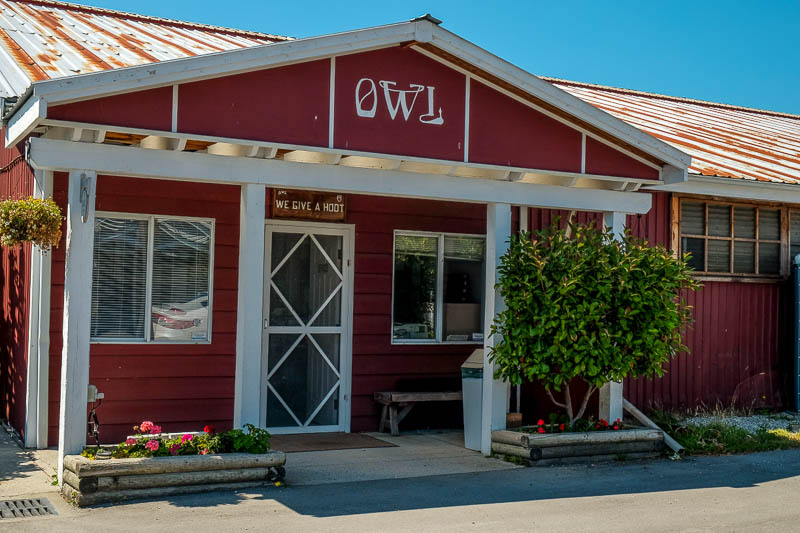
OWL is funded entirely by donations from the public as well as sponsorships from various corporations that provide funding, materials, and supplies. However, they have an ongoing ‘wish list’ of supplies, (click here) including unusual items such as Canadian Tire money and raw game meat. And of course, monetary donations are always needed.

Check out the website to see the numerous ways you can help out, from volunteering to making donations or even sponsoring a bird or three!
Coming up this fall is their first Gala Fundraiser, the Raptor Rendez-Vous! Held on October 22, 2016 at Quilchena Golf & Country Club in Richmond, this event will allow you to meet some of the raptors and also includes a silent and live auction, with all proceeds going towards the OWL Rehabilitation Society’s work.

I was very impressed at the work the OWL Rehabilitation Society is doing, and was amazed that I had not visited before! So go visit, and see if you aren’t charmed into sponsoring a bird like I’m going to.

The Orphaned Wildlife Rehabilitation Society (OWL) is located at 3800 72nd street, Delta, B.C., Canada. Tours are by donation and run on the half hour from 10am – 2:30pm every Saturday and Sunday year-round, and daily in July and August. If you have a group of 10 or more, please call or email in advance.
Did you enjoy this post? Please pin it!